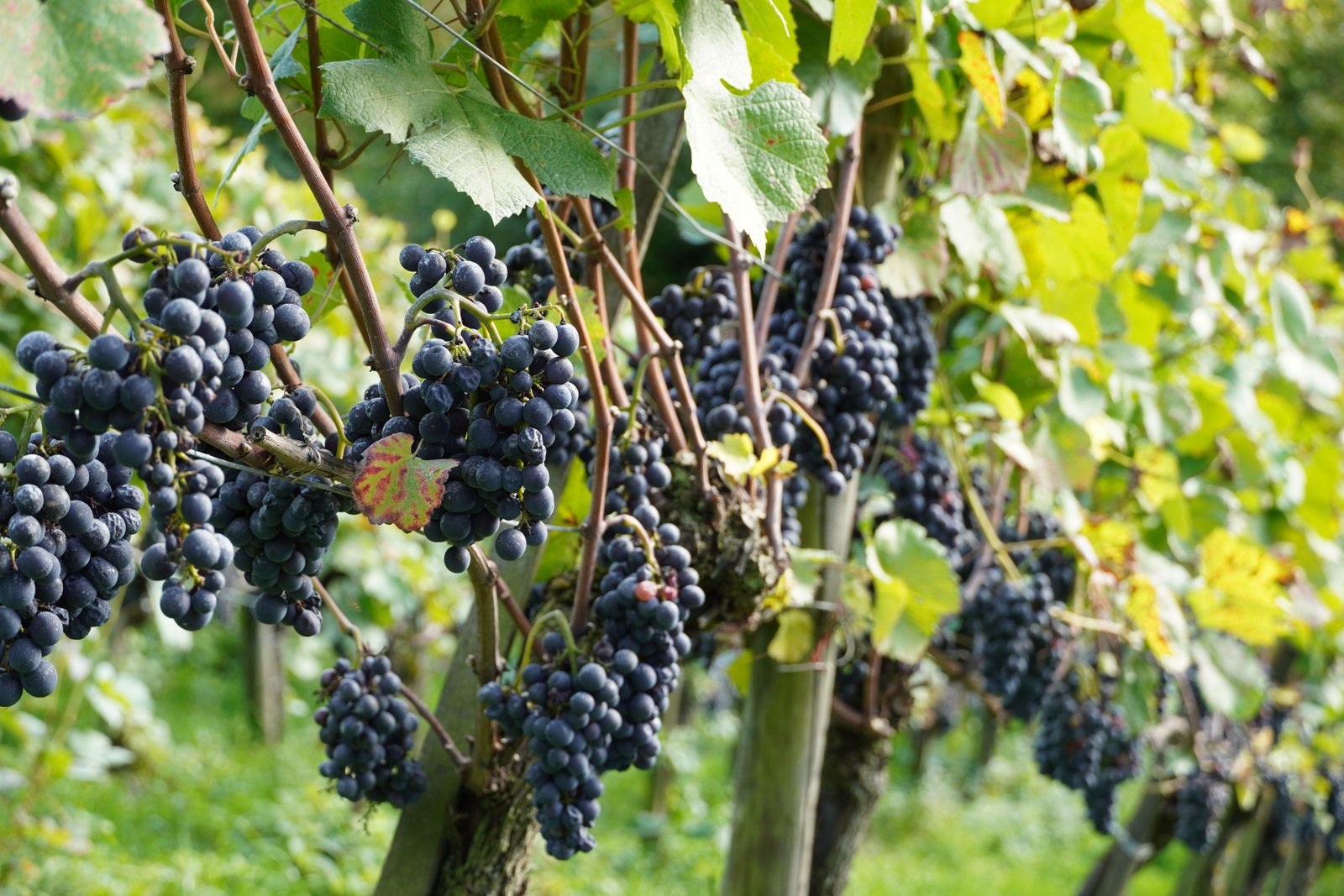
Shiraz is the red grape that built modern Australian wine. Known as Syrah in France, it found a second home in the warm valleys of South Australia and central Victoria, where it ripens to the rich, dark, generous style the country is famous for the world over. For a long time the conversation around Australian Shiraz was about power: high alcohol, lashings of new oak, big scores. The most interesting movement of the last decade has been quieter and, for a lot of drinkers, more appealing. A wave of organic and biodynamic growers is making Shiraz with freshness, savouriness and a clear sense of place, farming their vineyards without synthetic chemicals and letting the fruit do the talking.
This guide is for anyone who wants to drink that style well. We explain what actually makes a Shiraz organic, walk through the Australian regions that do it best, and pull out a curated set of genuinely organic and minimal-intervention producers from our directory, each linked to its full listing. As always on this site, we are careful with the word organic: we only describe a producer that way where the evidence supports it, and where we mention famous conventional Shiraz names for context we say plainly that they are conventional, not organic.
What makes a Shiraz organic?
An organic Shiraz starts in the vineyard, not the winery. It is made from grapes grown without synthetic pesticides, herbicides or fertilisers. Instead of spraying weeds and reaching for soluble fertiliser, organic growers build soil life with compost, run cover crops between the rows, and manage pests and disease with natural inputs and careful canopy work. The aim is a self-supporting vineyard that needs fewer interventions year on year.
The strongest signal is certification. In Australia, certified organic wine carries an ACO (Australian Certified Organic) or NASAA logo, both independently audited at the vineyard each year. Biodynamic producers go a step further, farming the vineyard as a single living organism on a seasonal calendar, and the global certifier is Demeter. Plenty of excellent small growers farm organically or close to it without paying for a certificate, so the absence of a logo does not mean a wine is heavily sprayed. It simply means you should ask. Our explainer on organic, natural and biodynamic wine unpacks exactly what each term covers, and our guide to reading an Australian organic wine label shows how to tell the certifications apart on the shelf.
Organic farming is not a flavour promise. Certification tells you how the grapes were grown, not how the wine will taste. A certified-organic Shiraz can be light and peppery or dark and powerful depending on the region, the vintage and the winemaker. Treat the organic logo as an assurance about farming and the environment, then choose the style you like on its own merits.
Where organic Shiraz comes from: the key regions
Shiraz is grown right across Australia, but a handful of regions define the organic conversation. Each gives the grape a different accent, from the deep, warm power of the Barossa to the cool, peppery lift of the high-country sites. Knowing the region is the single most useful shortcut to knowing what is in the glass.
The heartland. Warm days and old, dry-grown vines give deep, full-bodied Shiraz with dark plum, chocolate and spice. A growing core of organic and biodynamic growers now works alongside the big historic names.
Maritime-influenced and forward-thinking on sustainability, with many growers certified or in conversion. Expect rich but supple Shiraz with blue fruit, dark chocolate and a savoury, sometimes briny edge.
Famous for its ancient Cambrian red soils, which give Shiraz a deep, velvety texture and a core of dark fruit and spice. A cooler-leaning region that suits structured, age-worthy organic reds.
The Grampians in western Victoria and the higher Clare Valley make a more medium-bodied, peppery, savoury Shiraz with bright acidity. The classic cool-climate style for drinkers who find big Barossa reds too much.
The best organic Shiraz producers in our directory
Below is a curated shortlist of genuinely organic and minimal-intervention growers from the directory who make Shiraz, organised by region and linked to their full listings. Ratings and review counts are drawn from public Google data and reflect the cellar-door experience rather than a wine score. Where a producer is described as organic, that reflects the information in our listing; for the strictest assurance, look for an ACO, NASAA or Demeter logo on the bottle or ask the cellar door directly.
Barossa Valley
Hart of the Barossa is one of the region's most committed organic estates, farming a certified-organic vineyard and turning out classic Barossa Shiraz with the depth you expect from the valley. It holds a perfect 5.0 rating from 57 Google reviews. Eperosa is a small, organically farmed Barossa label focused on honest, expressive wines from old vines, also rated 5.0 (from 52 reviews), and a name in-the-know drinkers seek out. Greenock Creek Wines at Marananga makes dense, concentrated Shiraz from its organic estate with a minimal-intervention philosophy, carrying a 5.0 rating from 94 reviews. For something even more boutique, Izway Wines works organically near Seppeltsfield with a tiny-production, hands-off approach and a 5.0 rating from 72 reviews.
McLaren Vale
McLaren Vale is arguably the most organically minded of the big Shiraz regions, and the directory reflects that. Sew & Sew Wines farms organically and is one of the most loved cellar doors in the Vale, with a 5.0 rating from 234 reviews. The aptly named Thicker Than Water Wines, makers of the cult Squid Ink Shiraz, produces organic wines that capture McLaren Vale terroir and holds a 5.0 rating from 119 reviews. Zerella Wines is a multi-generational organic grower with a 5.0 rating from 93 reviews, and Bekkers Wine is a benchmark small producer of organically farmed Shiraz and Grenache, also rated 5.0 (from 73 reviews).
Heathcote and the Victorian high country
Over the border in Victoria, Red Edge works an organic vineyard on Heathcote's celebrated red Cambrian soil, the kind of site that gives Shiraz its trademark velvety depth, and holds a 5.0 rating from 26 reviews. The Bridge Vineyard is another organic Heathcote estate with a minimal-intervention approach and a 5.0 rating from 24 reviews. These are the addresses to know if you want structured, age-worthy organic Shiraz with a cooler, more savoury accent than the Barossa.
Clare Valley and Langhorne Creek
The Clare Valley is better known for Riesling, but it makes serious Shiraz too, and our Clare Valley organic wineries guide goes deeper on the district. Greg Cooley Wines and Sussex Squire Wines are both organic Clare growers with 5.0 ratings (from 106 and 86 reviews respectively) making characterful reds. Down in warm, maritime Langhorne Creek, Windsong Wines farms organically and makes generous, soft-textured Shiraz, with a 5.0 rating from 33 reviews.
How to read these picks: a high Google rating tells you people enjoy the cellar-door visit, not that a wine has won a trophy. Use the ratings to find welcoming, well-run small producers, then taste the Shiraz itself. Because these are mostly tiny operations, cellar-door hours can be limited or by appointment, so check before you drive.
Tasting notes: what to expect in the glass
Australian Shiraz covers a wide stylistic range, and organic farming does not lock it into one mould. Warm-region Shiraz from the Barossa and parts of McLaren Vale tends to be full-bodied and rich, with dark plum, blackberry, chocolate, licorice and warm baking spice, often a velvety or even plush texture, and the structure to age for a decade or more. Cooler sites in Heathcote, the Grampians and the higher Clare Valley pull the style back toward medium-bodied, with brighter red and black fruit, a distinct cracked-black-pepper note, savoury herbs and fresher acidity.
Minimal-intervention and lower-sulphur winemaking, which often travels alongside organic farming, can add a lifted, juicy, almost crunchy quality to the fruit, with less obvious oak. If you have only ever tried big, oaky commercial Shiraz, an organic producer chasing freshness and drinkability can be a revelation. The table below is a quick orientation to the main styles.
| Style | Where it comes from | What to expect |
|---|---|---|
| Full-bodied & rich | Barossa Valley, warm McLaren Vale sites | Dark plum, chocolate, spice; velvety; cellars well |
| Deep & velvety | Heathcote | Dark fruit, fine tannin, structured and age-worthy |
| Medium & peppery | Grampians, cooler Clare Valley | Red and black fruit, black pepper, fresh acidity |
| Juicy & savoury | Minimal-intervention growers across regions | Lifted fruit, less oak, bright and drinkable young |
Food pairing with organic Shiraz
Shiraz is one of the most food-friendly reds you can pour, because its dark fruit and gentle spice love rich, savoury cooking. For full-bodied Barossa and McLaren Vale styles, reach for slow-cooked lamb shoulder, beef brisket, a Sunday roast, grilled sausages, or a board of aged cheddar and hard cheeses. The wine's structure stands up to fat and char, which is why barbecued and chargrilled meats are such a natural match.
For the more medium-bodied, peppery styles from Heathcote, the Grampians or cool Clare, think roast duck, mushroom risotto, a peppercorn-crusted steak, or spiced lamb with Middle Eastern flavours, where that cracked-pepper note in the wine echoes the dish. Vegetarians are well served too: char-grilled eggplant, lentil and mushroom dishes, and a wedge of dark chocolate at the end of the meal all sing with Shiraz. If you are pouring an organic wine, it pairs beautifully with organic, pasture-raised produce, which is exactly the kind of cooking many of these growers have in mind.
How to buy organic Shiraz
Start from producers who genuinely farm organically rather than hoping a random bottle qualifies. That is the whole point of this directory: you can browse the listings and filter to organic and biodynamic growers, then follow through to each producer's own site to buy direct. Buying direct often gets you the small-batch and cellar-door-only wines that never reach a supermarket shelf, and it puts more of your money in the grower's pocket.
If you are shopping in a store, look for the ACO, NASAA or Demeter logo to be sure of certification, and do not be put off by an unfamiliar name: many of the best organic Shiraz wines come from tiny labels you will not have heard of. Match the style to the occasion. A rich Barossa Shiraz is a winter-roast wine, while a fresher, peppery cool-climate or minimal-intervention Shiraz is more versatile across the year. When in doubt, a mid-weight McLaren Vale or Heathcote organic Shiraz is a safe, crowd-pleasing place to land.
A note on famous Shiraz names (the honest picture)
Australia's most iconic Shiraz labels, the ones that built the grape's global reputation, are not all certified organic, and it would be misleading to imply they are. Some of the country's flagship Shiraz wines are made from conventionally farmed fruit, and some larger estates practise sustainable or partly organic viticulture without full certification across all of their vineyards. None of that makes them lesser wines. It simply means that if certified-organic drinking is your priority, you should not assume a famous name qualifies. Check the producer, look for the logo, or start from the genuinely organic growers above. That is the honest position, and it is the reason this directory exists: to make it easy to find producers who really do farm the way the label suggests.
The bottom line
Organic Shiraz is no longer a niche curiosity. Across the Barossa, McLaren Vale, Heathcote and the cooler high-country sites, a serious community of organic and biodynamic growers is making Shiraz that is fresher, more savoury and more expressive of its place than the heavy commercial style the grape was once known for. The producers above are a reliable place to begin, from the powerful Barossa reds of Hart of the Barossa and Greenock Creek to the supple McLaren Vale bottles of Sew & Sew and Bekkers and the deep, velvety Heathcote Shiraz of Red Edge. Taste a few side by side, match them to a good roast, and use the directory to find every organic Shiraz grower across Australia.